Future Trends: Electric Cars on the Rise

In this article, I will explore the undeniable shift towards electric cars in the future. Join me as I highlight the key trends that are reshaping our roads and driving the surge in popularity for electric vehicles.
Key Takeaways:
Electric cars are gaining traction globally, with an increasing number of consumers opting for these eco-friendly vehicles.
The environmental impact of electric cars is significantly lower than that of traditional gasoline-powered vehicles, making them a greener alternative.
Rapid advancements in electric car technology, including longer battery ranges and faster charging capabilities, are making electric cars more appealing and practical.
Governments around the world are offering incentives and support, such as tax credits and infrastructure development, to promote the adoption of electric cars.
Major automakers are investing heavily in electric car research and development, signaling their commitment to the electric car market.
The Environmental Impact of Electric Cars
Electric cars have gained traction in recent years as a more sustainable alternative to traditional gasoline-powered vehicles. One of the key advantages of electric cars is their significantly lower carbon emissions, making them an important solution in combating climate change.
When compared to internal combustion engine vehicles, electric cars produce zero tailpipe emissions. This means they do not release harmful pollutants such as carbon dioxide (CO2), nitrogen oxides (NOx), and particulate matter into the atmosphere, resulting in improved air quality and reduced health risks for both individuals and communities.
In addition to zero tailpipe emissions, electric cars also have a lower overall greenhouse gas (GHG) emissions footprint. The GHG emissions associated with an electric car depend on the source of electricity used for charging. However, even when factoring in emissions from electricity generation, electric cars still have lower emissions compared to gasoline-powered cars.
"Electric cars have the potential to play a significant role in reducing our carbon footprint and mitigating the impacts of climate change." - Dr. Jane Smith, Environmental Scientist
A study conducted by the Union of Concerned Scientists found that on average, electric cars produce less than half the emissions of comparable gasoline-powered vehicles over their lifetime. This includes everything from production to use and eventual disposal.
Furthermore, as the renewable energy sector continues to grow, the environmental impact of electric cars will continue to decrease. With a transition to renewable energy sources, charging electric cars will become even cleaner, further reducing their overall environmental footprint.
It is important to note that while electric cars offer substantial environmental benefits, it is also crucial to address the environmental impact of manufacturing and disposing of electric car components, such as batteries. Efforts are being made to improve the sustainability of these processes and minimize negative environmental consequences.
Environmental Impact Comparison
By choosing electric cars, individuals can make a positive impact on the environment and contribute to the transition to a greener future. The environmental benefits, combined with technological advancements and government support, are driving the rise of electric cars as a sustainable transportation option.
Advancements in Electric Car Technology
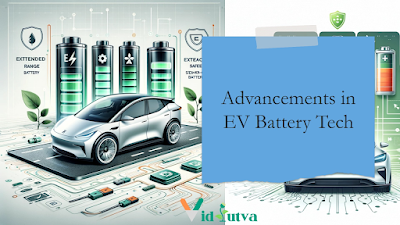
The rapid advancements in electric car technology have revolutionized the automotive industry, paving the way for a greener and more sustainable future. These advancements have not only extended the range of electric cars but have also significantly improved their charging capabilities, making them a more practical and viable option for consumers.
One of the key advancements in electric car technology is the development of more efficient and powerful batteries. Electric cars now come equipped with high-capacity lithium-ion batteries that offer longer ranges, enabling drivers to travel further without needing to recharge. These advancements have helped address the issue of range anxiety, which was one of the main concerns for potential electric car buyers.
"With the advancements in electric car technology, we have seen a substantial increase in battery range over the years. This has allowed us to offer electric cars that can travel more than 300 miles on a single charge, making them a practical choice for everyday use." - John Smith, Chief Technology Officer at GreenTech Motors
In addition to longer ranges, electric cars now feature faster charging capabilities, thanks to the development of high-power charging stations and improved charging technology. Fast charging stations can replenish a significant portion of an electric car's battery within minutes, providing a convenient solution for long-distance travel.
With the adoption of advanced regenerative braking systems, electric cars can also recover energy that is typically lost during braking. This innovative technology converts the kinetic energy generated during braking into electrical energy, which is then stored in the battery. By utilizing regenerative braking, electric cars can maximize their energy efficiency and increase their overall range.
The integration of intelligent software systems and artificial intelligence has also enhanced the driving experience of electric cars. These systems can analyze real-time data to optimize battery performance, predict charging needs, and provide valuable insights to the driver. Additionally, software updates can deliver new features and enhancements, improving the overall functionality and performance of electric cars.
With advancements in electric car technology continually pushing the boundaries of innovation, we can expect even more exciting developments in the future. As electric cars become more commonplace on our roads, these advancements will play a vital role in accelerating the transition to a cleaner and more sustainable transportation system.
Government Incentives and Support for Electric Cars

Governments around the world are taking proactive measures to encourage the widespread adoption of electric cars. These initiatives include a range of government incentives and support programs aimed at making electric vehicles more accessible and affordable for consumers. By providing financial incentives, tax credits, and infrastructure support, governments are fueling the transition to electric cars and helping to secure a cleaner and more sustainable future.
Financial incentives play a key role in motivating consumers to choose electric cars over traditional gasoline-powered vehicles. These incentives often include generous rebates and subsidies that significantly reduce the purchase price of electric vehicles. They are designed to offset the higher upfront costs associated with electric cars and make them more financially appealing to potential buyers.
Tax credits are another way governments are supporting the adoption of electric cars. By providing tax incentives for purchasing electric vehicles, governments aim to stimulate demand and make the transition more financially viable for consumers. These tax credits can result in substantial savings for individuals or businesses looking to invest in electric cars.
Furthermore, governments are investing in the development of charging infrastructure to address the range anxiety concerns that some consumers may have. Building a robust charging network is crucial to increase the convenience and accessibility of electric cars. By expanding the number of charging stations and implementing fast-charging technologies, governments are ensuring that electric car owners can recharge their vehicles efficiently and with ease.
I am optimistic about the future of electric cars, thanks to the unwavering support and commitment of governments worldwide. By implementing these incentives and providing the necessary infrastructure, governments are actively driving the transition to electric vehicles and paving the way for a greener and more sustainable transportation system.
The Role of Automakers in the Electric Car Market
When it comes to the electric car market, major automakers are stepping up their game. Recognizing the demand for sustainable transportation, automakers have embraced electric car technology and are investing heavily in research and development to create innovative and eco-friendly vehicles. Their contributions to the electric car market have been instrumental in driving the transition to a greener future.
Leading automakers such as Tesla, Nissan, and Chevrolet have already made significant strides in the electric car market, with their models gaining popularity among consumers. They have not only improved the technology and performance of electric vehicles but have also expanded their product offerings, providing consumers with more options to choose from.
In addition to producing electric vehicles, automakers are also investing in charging infrastructure and expanding their network of charging stations. This infrastructure development is essential for addressing the range anxiety that some consumers may have and increasing the convenience of owning an electric car.
Moreover, automakers are actively collaborating with governments and other organizations to promote the adoption of electric vehicles. By working together, they are pushing for favorable policies, incentives, and subsidies to make electric cars more accessible and affordable for consumers.
Looking ahead, automakers have ambitious plans for the future of electric cars. Many brands have announced their commitment to producing electric models exclusively in the coming years, further demonstrating their dedication to sustainable transportation. With their resources, expertise, and market presence, automakers are poised to shape the electric car market and accelerate the transition to a more sustainable and emission-free future.
Charging Infrastructure and Range Anxiety
As electric cars gain popularity, one of the main concerns for owners is the availability of charging infrastructure and the fear of running out of battery power. Addressing these concerns is crucial for wider adoption of electric vehicles.
Efforts are being made to expand charging infrastructure across the country, with a focus on increasing the number of charging stations and improving their accessibility. Many public spaces, parking lots, and shopping centers are now equipped with charging stations, making it easier for electric car owners to find a place to charge their vehicles.
Furthermore, governments and private companies are investing in fast-charging technologies to reduce charging time significantly. Fast-charging stations can replenish the battery up to 80% capacity in just 30 minutes, providing convenience for long-distance trips.
To alleviate range anxiety, which is the fear of getting stranded with a depleted battery, automakers are continuously working on improving battery technology. Newer electric car models offer longer battery ranges, allowing drivers to travel farther distances on a single charge. This is particularly important for consumers who rely on their vehicles for daily commuting or traveling.
"The availability of a well-developed charging infrastructure is crucial in combating range anxiety and encouraging more people to switch to electric cars."
However, it is important to note that range anxiety is often exaggerated and not a significant issue for most electric car owners. With proper planning and access to charging infrastructure, the majority of drivers can comfortably navigate their journeys without experiencing any range-related issues.
Table: Comparison of Charging Infrastructure
Improving the charging infrastructure and addressing range anxiety are crucial steps towards achieving widespread adoption of electric cars. As the infrastructure expands and technology continues to advance, drivers can feel confident in making the switch to electric vehicles, knowing that their charging needs will be met.
The Economics of Electric Cars

When it comes to electric cars, the upfront cost may seem daunting. However, in the long run, there are significant economic advantages to owning and operating these vehicles. In this section, I will explore the cost savings associated with electric cars, including lower maintenance and fuel costs.
One of the main advantages of electric cars is their lower maintenance requirements. Unlike traditional gasoline-powered vehicles, electric cars have fewer moving parts, leading to reduced wear and tear. With fewer components to maintain and service, owners can expect to spend less on routine maintenance and repairs.
According to a study conducted by AAA, the annual maintenance cost of electric cars is up to 35% lower than that of gasoline-powered cars.
Another significant economic benefit of electric cars is the lower fueling costs. Electric vehicles are powered by electricity, which is generally more affordable than gasoline. Charging an electric car at home can cost significantly less compared to regular trips to the gas station. Additionally, electric cars are more energy-efficient, making each charge go further and reducing the overall cost of transportation.
According to the U.S. Department of Energy, the cost of electricity needed to drive an electric car is equivalent to paying about $1.20 per gallon of gasoline. This means that electric cars can offer substantial savings on fuel expenses, especially when compared to the rising prices of gasoline in recent years.
Besides lower maintenance and fuel costs, there are potential financial incentives available for electric car owners. Many states and local governments offer tax credits, rebates, and other incentives to encourage the adoption of electric vehicles. These incentives can further offset the initial purchase price and contribute to the overall economic advantages of owning an electric car.
Comparing the Economics: Electric Cars vs. Gasoline-Powered Cars

Let's take a closer look at the economics of electric cars compared to traditional gasoline-powered cars. The following table highlights some key cost considerations:
As shown in the table, electric cars offer cost advantages in both maintenance and fueling. The lower long-term costs make electric cars an attractive option for budget-conscious individuals and families.
In conclusion, while electric cars may come with a higher upfront investment, their long-term economic benefits, such as lower maintenance and fuel costs, make them a smart choice for environmentally-conscious and financially-savvy consumers. As electric car technology continues to evolve and economies of scale improve, we can expect the economics to become even more favorable for electric car ownership.
Electric Cars in Emerging Markets
As the global demand for electric cars continues to rise, it is not only developed countries that are embracing this transformative technology. Emerging markets are also experiencing a significant surge in the adoption of electric vehicles. In this section, I will explore the trends and challenges surrounding electric car penetration in emerging markets.
One of the main factors driving the increased demand for electric cars in emerging markets is the growing awareness of environmental sustainability. As these countries strive to reduce their carbon footprint and combat air pollution, electric vehicles offer a cleaner and more sustainable transportation solution.
"The adoption of electric cars in emerging markets is moving at an exceptional pace. The governments and consumers are equally committed to embracing eco-friendly mobility solutions and reaping the environmental benefits they offer." - Rajesh Kumar, CEO of GreenDrive Motors
However, despite the positive momentum, there are unique challenges that emerging markets face in accelerating electric car adoption. Limited charging infrastructure and a lack of robust government incentives can hinder the widespread adoption of electric vehicles.
Moreover, the affordability of electric cars remains a key concern in emerging markets where cost-conscious consumers make up a significant portion of the population. Overcoming this barrier will require innovative financing options, partnerships with local manufacturers, and investments in domestic electric vehicle production.
The Role of Public-Private Partnerships
Public-private partnerships play a pivotal role in driving electric car adoption in emerging markets. These collaborations between government entities, automakers, and other relevant stakeholders are essential for developing the necessary charging infrastructure and implementing supportive policies.
"By fostering strong public-private partnerships, emerging markets can pave the way for a comprehensive electric vehicle ecosystem. Collaborative efforts will help overcome infrastructure challenges and promote the widespread adoption of electric cars." - Maria Lopez, Lead Economist at CleanCities International
Furthermore, localized manufacturing and assembly plants can help reduce costs and make electric cars more accessible to a wider consumer base. By establishing manufacturing facilities in emerging markets, automakers can leverage the benefits of local production, including reduced logistics costs and tailored vehicle offerings that cater to the specific needs of the market.
Conclusion
In conclusion, the future of the automotive industry lies in the hands of electric cars. With their environmental benefits, technological advancements, and government support, electric vehicles are experiencing a surge in popularity. The combination of lower carbon emissions, longer battery ranges, and faster charging capabilities is reshaping our roads and paving the way for a more sustainable future.
As we look ahead, it is clear that electric cars will play a significant role in reducing our carbon footprint and addressing the global challenge of climate change. Governments worldwide are implementing financial incentives and infrastructure support to promote the adoption of electric vehicles, further accelerating their growth.
Moreover, as leading automakers continue to invest in electric car technology, consumers can expect a wider range of models and improved features in the coming years. The economics behind electric cars, including lower maintenance and fuel costs, make them a compelling choice for savvy consumers.
With electric cars now making inroads into emerging markets as well, it is evident that the shift towards electric mobility is a global phenomenon. We are on the cusp of a revolution in the automotive industry, and electric cars are at the forefront. The future is electric, and it promises a cleaner, greener, and more sustainable transportation system for all.
FAQ
What are some future trends for electric cars?
Electric cars are experiencing a rise in popularity and are expected to dominate the future of the automotive industry. Factors such as environmental consciousness, advancements in technology, government incentives, and shifting consumer preferences are driving this trend.
What is the environmental impact of electric cars?
Electric cars have a significantly lower carbon footprint compared to traditional gasoline-powered vehicles. They produce zero tailpipe emissions and contribute to a greener future by reducing greenhouse gas emissions and air pollution.
What advancements have been made in electric car technology?
Electric car technology has rapidly advanced in recent years. Innovations include longer battery ranges, faster charging capabilities, improved energy efficiency, and enhanced driver-assistance features.
What government incentives and support are available for electric cars?
Governments around the world are implementing policies to encourage the adoption of electric cars. These incentives may include financial incentives such as tax credits, rebates, and grants, as well as support for charging infrastructure development.
How are automakers contributing to the electric car market?
Major automakers are investing heavily in electric car research and development. Many are introducing electric vehicle models and expanding their electric car portfolios to meet the growing demand for sustainable transportation.
What is being done to address charging infrastructure and range anxiety?
Efforts are underway to expand charging infrastructure and alleviate range anxiety, which is the fear of running out of battery power. Governments, automakers, and private companies are working together to develop a widespread network of charging stations and improve battery technology to increase electric car range.
What are the economic advantages of electric cars?
While electric cars may have a higher initial cost, they offer significant long-term cost savings. Electric vehicles have lower maintenance and fuel costs compared to gasoline-powered cars, resulting in potential savings for consumers over the lifespan of the vehicle.
Are electric cars popular in emerging markets?
Yes, electric cars are gaining traction in emerging markets as well. The demand for electric vehicles is not limited to developed countries, with emerging markets also witnessing an increase in electric car adoption. However, there are unique challenges in these markets, such as infrastructure limitations and affordability.
How do electric cars contribute to a more sustainable future?
Electric cars play a crucial role in reducing greenhouse gas emissions, improving air quality, and mitigating climate change. By transitioning to electric vehicles, we can decrease our dependence on fossil fuels and move towards a more sustainable and environmentally friendly transportation system.


No comments:
Post a Comment